SEO
May 27, 2026
Search engine monitoring: what it is and how it works in 2026



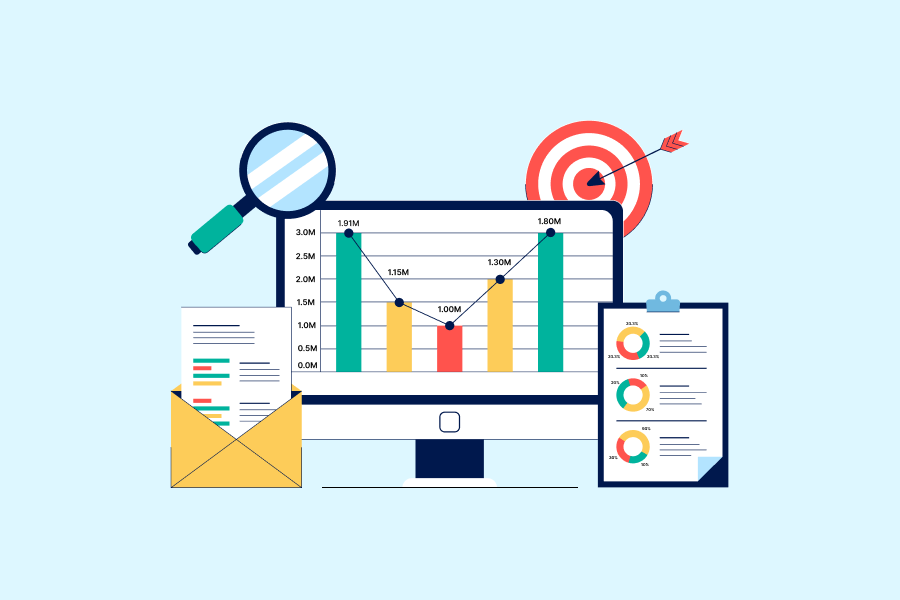
Search rankings don’t stand still. Google updates its results thousands of times a year, and competitors move just as fast. Without monitoring, visibility can slip before you even notice. Search engine monitoring tracks every change so you can act early, protect your traffic, and stay competitive.
In this guide, you’ll learn what search engine monitoring is, why it’s essential for marketers, and how to build a reliable system using tools like Reporting Ninja.
Search engine monitoring is the continuous process of tracking how your website appears and performs across search engines. Unlike one-time SEO audits, it’s an ongoing visibility check that helps you understand how rankings, keywords, and competitors shift over time.
It’s both strategic and operational. Strategically, it reveals where your opportunities and threats lie. Operationally, it relies on tools and automation to collect ranking data, detect SERP changes, and report performance automatically — giving you the insight to act fast.
Search visibility changes by the day, and small ranking drops can have an outsized impact on traffic and leads. Ongoing monitoring gives marketers the early warning system they need to protect performance and stay ahead.
Here’s why:
Search engine monitoring turns raw ranking data into insights that drive smarter decisions and stronger results.
Effective search engine monitoring depends on more than tracking rankings. It’s about understanding why changes happen and how they impact traffic, visibility, and competitive position. The following components form the foundation of any reliable monitoring setup.
Keyword ranking data is the heartbeat of SEO performance. Continuous keyword tracking shows how your pages move in search results over time and reveals the impact of optimizations or algorithm updates. Using the best SEO reporting software can help teams validate what’s working and identify pages that need attention before rankings slide
Modern search results are crowded with snippets, videos, and local listings. Monitoring these SERP features helps you understand how they influence clicks and impressions. By tracking when your site gains or loses a rich result, you can optimize content to reclaim visibility in high-value positions.
Your rankings don’t exist in isolation. Tracking competitor domains shows which rivals are gaining ground and for which keywords. It helps uncover new content gaps, highlight emerging threats, and reveal untapped keyword opportunities—all critical for staying ahead in competitive markets.
Speed matters when rankings shift. Automated alerts notify you of significant position changes, while scheduled reports, including a SERP ranking report, keep teams and clients informed. Together, they ensure faster responses, consistent communication, and a complete picture of ongoing search performance.
These components work best as an integrated system, each one reinforcing the others to provide both context and speed. The result is continuous visibility that guides smarter, more confident SEO decisions.
{{cta-block-v1}}
Tracking SEO performance means measuring more than keyword movement. To understand how your visibility impacts traffic and conversions, you need to monitor metrics that connect ranking changes to real outcomes. These are the ones that matter most.
Rankings show how visible your content is for target queries. By monitoring keyword positions over time, you can measure the direct effect of new content, optimization, and algorithm shifts. Consistent tracking helps identify growth patterns and detect declines before they affect traffic.
CTR reveals how effectively your listings attract attention in search results. A high ranking means little if users don’t click. Tracking CTR helps you refine titles and meta descriptions to improve engagement and convert visibility into visits.
Traffic from search engines is the clearest indicator of visibility. Monitoring organic sessions alongside keyword rankings shows whether your optimizations are translating into actual visits. It’s also key for spotting seasonal patterns or campaign-driven surges.
Search results are increasingly visual and dynamic. Tracking when your pages appear in snippets, image packs, or “People Also Ask” boxes gives you insight into total visibility, not just traditional rankings. These positions often capture more clicks than standard results..
SEO isn’t just about progress; it’s about position relative to others. Comparing your visibility to top competitors reveals keyword gaps and opportunities for expansion. It helps prioritize where to focus effort for the greatest impact.
Together, these metrics form a complete visibility picture. Monitoring them consistently turns ranking data into actionable insight and ensures your SEO work is driving measurable growth.
Search rankings shift constantly, and effective monitoring means more than collecting data. It’s about building a process that keeps your insights accurate, timely, and aligned with real goals. These best practices ensure your tracking works as hard as your SEO strategy.
Daily ranking changes are normal. What matters is long-term direction. By focusing on patterns across weeks or months, you can separate genuine progress from natural fluctuation. This helps you avoid reactive decisions and see whether your overall SEO efforts are paying off.
Not all keywords serve the same purpose. Group them by search intent (informational, navigational, or transactional) to see which types drive engagement or conversions. Intent-based segmentation helps you target the right audiences and measure success in context.
Automation keeps your monitoring consistent and saves hours of manual work. Automated alerts highlight sudden ranking drops or surges, while scheduled reports ensure stakeholders see accurate, up-to-date data without delay. It’s the easiest way to stay responsive and informed.
Snippets, local packs, and video results can heavily influence clicks. Track them independently to see how much visibility they add—or take away—from your standard listings. Understanding these dynamics helps refine content for richer search placements.
Rankings alone don’t tell the full story. Cross-reference ranking data with site analytics and conversion metrics to understand how visibility impacts revenue and user behavior. Setting up an integrated SEO report dashboard ROI workflow gives you a complete performance picture and a stronger case for your marketing spend.
Consistent monitoring isn’t about collecting more data; it’s about connecting the right signals to real business outcomes. The more integrated your process, the more confidently you can adapt to every change in search.

Even experienced SEO teams lose efficiency when their monitoring process isn’t structured. These are the mistakes you need to avoid…
Typing keywords into Google for rank checks wastes time and produces unreliable data that varies by location, device, or personalization. A smarter approach is to use automated tracking system like SEO reporting tool. Reporting Ninja pulls verified ranking data directly from search APIs, providing consistent, on-demand accuracy without guesswork.
Focusing only on classic “blue link” rankings overlooks huge visibility opportunities in snippets, image packs, and local results. Smarter monitoring includes tracking these dynamic elements to capture the full picture of search visibility. Reporting Ninja visualizes this data alongside standard rankings for complete insight.
Monitoring thousands of low-impact terms clutters reports and distracts from performance drivers. The smarter move is to focus on strategic, conversion-oriented keywords. With Reporting Ninja, you can segment by category or intent, keeping custom SEO dashboards clean and insights relevant.
Without benchmarking against competitors, it’s impossible to understand relative performance. Smarter monitoring includes tracking rival domains to identify shifts in market share or keyword gaps. Reporting Ninja makes this simple by pulling competitor data from connected SEO tools and visualizing it alongside your own metrics for clear, side-by-side comparison.
Collecting data without communicating results undermines progress and stakeholder confidence. Smarter teams build recurring reports that show performance trends over time. Reporting Ninja automates this process, turning real-time data into shareable reports that highlight measurable outcomes.
Avoiding these inefficiencies saves hours each week and turns your monitoring setup from a reactive process into a proactive advantage—one that keeps your team ahead of every ranking change.
Reporting Ninja doesn’t track search rankings directly, but it does transform how you manage and report on them. You can import ranking data from any SEO platform or Google Sheet, automate updates, and visualize everything in one dashboard.
Once connected, Reporting Ninja refreshes your data automatically, generates performance reports, and delivers them to your inbox or clients on schedule all on a white-label SEO dashboard. It replaces manual reporting with live dashboards that combine ranking, traffic, and conversion metrics.
Instead of jumping between SEO tools and spreadsheets, you’ll see your entire visibility performance at a glance - always accurate, always current.
Start centralizing your SEO data today with Reporting Ninja and spend less time maintaining reports, more time improving results.
Sign up for a 15 days free trial. No credit card required.

Build and automate amazing custom reports in a few clicks. Save time, be more productive, impress your clients.